






Business Financing Guide
Small Businesses May Also Be Considered for Bank Financing
A small business is not automatically ruled out. Learn what banks commonly assess and how to organise your business profile more clearly.

Many small business owners assume that bank financing is only for large companies with offices, many employees and millions in sales. In reality, a small business is not automatically excluded from being considered.
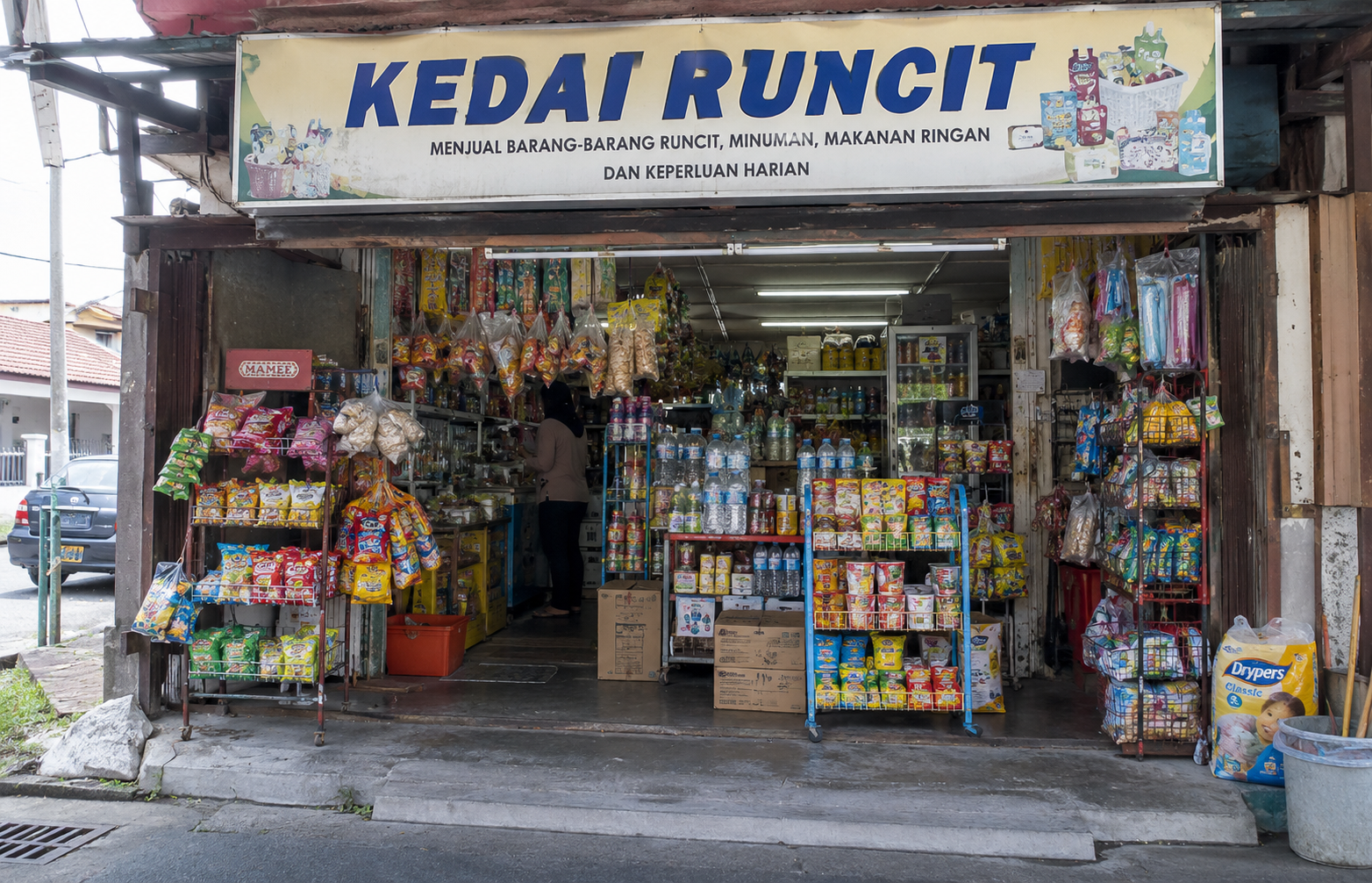
Micro businesses such as small eateries, online shops, workshops, small contractors, grocery shops, marketplace sellers and owner-operated businesses can also explore financing options that may suit them.
The outcome depends on the assessment by the bank or financial institution. Cash flow, operating history, supporting documents and repayment capacity are among the factors that may help the institution understand an application.
What is a micro business?
Generally, a micro business operates on a smaller scale and may be run by one owner or a small team. Examples include:
- Home-based food businesses or small stalls
- Grocery shops, salons, barbershops or workshops
- Sellers on Shopee, TikTok Shop or other online platforms
- Small contractors, printing businesses or service providers
- Sole proprietorships managed by the owner
Each financial institution may define business segments differently and set its own requirements. Business owners should check the criteria for a specific product before applying.
What might banks assess?
The size of a business is only one part of the overall picture. Banks generally assess an application according to their policies and the product involved. Information they may consider includes:
1. Cash flow and transactions
Bank statements can help show incoming and outgoing funds, sales patterns, account balances and regular commitments. Consistent, easy-to-follow transaction records can help a bank assess how the business operates.
2. Time in operation
A longer operating history can provide a clearer picture of income patterns over time. Newer businesses can also ask about available options, but minimum documents and requirements vary by institution and product.
3. Commitments and repayment capacity
The requested financing amount should be considered alongside cash flow and existing commitments. A bank may also consider the owner's financial information, particularly for certain business structures such as sole proprietorships.
4. Supporting documents
Documents that may be requested include business registration, bank statements, sales records, tax documents and other relevant information. The exact list depends on the type of financing and the financial institution's requirements.
Do sales have to reach millions of ringgit?
Not necessarily. Small businesses may have different needs from large companies, and financing products can serve different segments or purposes. However, the requested amount should be reasonable in relation to the business's needs and financial capacity.
For example, an owner may need working capital to purchase stock, replace equipment or cover operating costs. The purpose and amount should be explained clearly when making an enquiry or application.
What can business financing be used for?
Depending on the product and its terms, a business may seek financing for purposes such as:
- Purchasing stock or raw materials
- Acquiring equipment or machinery
- Increasing working capital
- Funding operating costs or a new project
- Expanding marketing or business capacity
Check the permitted uses in the product terms, as some financing facilities are intended for specific purposes.
How can you prepare your business profile?
Clear records help others understand how your business operates. Before making an enquiry, you can gather the following information:
- Make sure your business registration and basic details are up to date.
- Keep bank statements and sales records organised.
- Separate personal and business transactions where practical.
- List your monthly commitments and the purpose of the financing you need.
- Check the basic criteria and documents requested by the financial institution.
These steps do not guarantee approval, but they can help you provide more complete information when your profile is assessed.
Do not rule out the possibility before checking
A small business is not automatically ineligible for consideration. However, eligibility cannot be determined by business size alone. Each application is assessed according to the financial institution's criteria, the product applied for and the applicant's financial circumstances.
An initial assessment can help you understand what information may be needed and identify the next steps before submitting a formal application.
Your next step
Review your business profile
Find out what information you may need to prepare and learn about options you can discuss based on your profile.
Check Eligibility